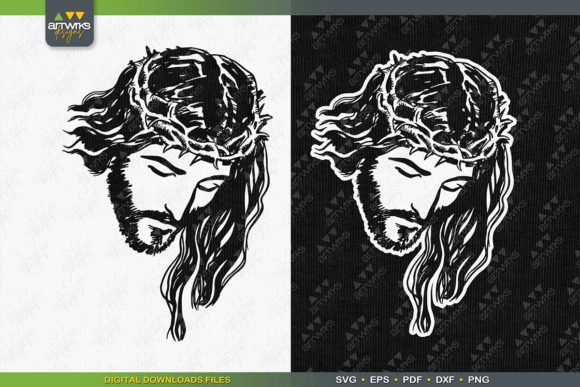
The Holy Face of Jesus: A Practical Guide for Those Exploring Devotion
For many people researching Christian devotional practices, the term Holy Face of Jesus appears in historical texts, prayer manuals, and discussions about reparation and contemplation. But what exactly does this devotion entail, and is it something worth integrating into your spiritual life? This article offers a balanced examination of the Holy Face of Jesus devotion—what it is, why people engage with it, the benefits and tradeoffs involved, and how to decide whether it aligns with your personal or communal faith goals.
What Is the Holy Face of Jesus?
The Holy Face of Jesus refers to the sacred image of Christ's face, venerated in Catholic tradition as a representation of his suffering, humility, and divine love. The devotion is rooted in several sources: the Veil of Veronica, the Shroud of Turin, and mystical revelations attributed to saints such as St. Thérèse of Lisieux and Blessed Maria Pierina De Micheli. It is also closely tied to the Divine Mercy devotion, though it maintains its own distinct focus on reparation for offenses against God, especially blasphemy and indifference.
Practitioners typically honor the Holy Face through specific prayers, meditations, or images. The devotion often includes the Golden Arrow Prayer, the Litany of the Holy Face, or the Reparation Prayers revealed to Sister Marie of St. Peter in the 19th century. Some also observe the First Fridays or Tuesday devotions in honor of the Holy Face.
At its core, the Holy Face devotion is a form of Christ-centered contemplation that emphasizes both the human and divine aspects of Jesus, particularly his suffering during the Passion. It invites the participant to look beyond physical representation and into the mystery of sacrificial love.
Why People Are Drawn to This Devotion
Understanding the motivations behind the Holy Face devotion can help you evaluate whether it meets your spiritual needs. People typically explore this practice for several reasons:
- Desire for deeper contemplation: The Holy Face serves as a focal point for meditating on Christ's humanity and his willingness to suffer. For those seeking a more intimate, visual form of prayer, the devotion offers a concrete image to center the mind.
- Interest in reparation theology: Some believers feel called to make amends for sins—their own or those of society—especially offenses against the dignity of God. The Holy Face devotion is historically linked to reparation for blasphemy and sacrilege.
- Connection to traditional Catholic spirituality: This devotion has roots in 19th-century French spirituality and has been approved by several popes. For people who value continuity with historical Catholic practices, the Holy Face devotion carries weight.
- Healing and comfort: Many report a sense of peace and emotional healing when meditating on the Holy Face, particularly during times of grief, anxiety, or personal trial.
These motivations are not mutually exclusive. A single practitioner might be drawn to all four aspects, or prioritize one over another depending on their current life circumstances.
What to Expect: Benefits and Tradeoffs
As with any devotional practice, engaging with the Holy Face of Jesus comes with both potential benefits and practical tradeoffs. Being aware of these can help you decide whether the devotion is a good fit for your lifestyle and spiritual objectives.
Potential Benefits
- Structured focus for prayer: The Holy Face devotion provides a clear visual and thematic focus, which can be helpful for people who find it difficult to sustain attention during unstructured meditation.
- Deepened empathy and compassion: Contemplating the suffering face of Christ can foster a greater awareness of human pain and a desire to serve others, particularly those who are marginalized or in distress.
- Sense of purpose in suffering: For individuals experiencing hardship, uniting their own suffering with that of Christ through this devotion can provide meaning and resilience.
- Community and tradition: Joining a Holy Face association or praying with others who share the devotion can create a sense of belonging and mutual support.
Tradeoffs and Considerations
- Specificity of focus: The Holy Face devotion is quite particular in its themes and prayers. If you prefer a more general or flexible approach to Christian meditation, you may find the structure limiting or repetitive.
- Emotional intensity: The emphasis on Christ's suffering may not suit everyone, especially those who are currently experiencing trauma, grief, or depression. The imagery can evoke strong emotions that require careful handling.
- Historical and theological nuance: Some aspects of the devotion are tied to private revelations that are not universally accepted or emphasized in all Christian traditions. You may need to discern how much weight to give these sources.
- Time commitment: Certain prayers and novenas associated with the Holy Face are lengthy. If you have limited time for daily devotion, you may need to adapt or select shorter practices.
It is worth noting that no devotion is inherently superior to another. The value lies in how well it serves your relationship with God and your growth in virtue.
When the Holy Face Devotion May Be a Strong Fit
The Holy Face of Jesus devotion tends to resonate most with individuals who have specific spiritual inclinations or life circumstances. Consider it if any of the following apply to you:
- You value reparation and intercessory prayer. If part of your spiritual practice involves making amends for sins or praying for the conversion of others, the Holy Face devotion offers a structured channel for these intentions.
- You are drawn to the Passion of Christ. For those who find deep spiritual meaning in meditating on the events of Holy Week, the Holy Face provides a sustained focus on Christ's suffering and his response to it.
- You prefer image-based meditation. If you learn best through visual aids or find that an icon or picture helps you concentrate during prayer, the Holy Face gives you a concrete object of contemplation.
- You seek a daily or weekly devotional rhythm. The prayers and novenas associated with the Holy Face can provide a consistent structure for your spiritual life.
- You are part of a community that practices this devotion. Group prayer, shared novenas, or parish-based Holy Face groups can reinforce commitment and provide accountability.
In these situations, the devotion can act as a meaningful anchor for your prayer life and help you engage more deeply with core Christian mysteries.
When Alternatives May Be Worth Considering
No single devotion suits every person or every season of life. You may find that alternatives to the Holy Face devotion better support your current needs. Consider exploring other practices if:
- You prefer a broader Christological focus. Devotions such as the Sacred Heart of Jesus or the Divine Mercy also center on Jesus but emphasize different aspects—divine love and mercy, respectively—rather than the specific image of the face in suffering.
- You are looking for a more flexible daily practice. Simpler forms of contemplation, such as Lectio Divina or the Jesus Prayer, require no specific image or lengthy formula and can be adapted to any schedule.
- You are in a period of emotional vulnerability. If you are grieving, experiencing anxiety, or recovering from trauma, a devotion that focuses less on suffering may be more appropriate. The Rosary or Scriptural meditation on the Resurrection can offer comfort without the same intensity.
- You are new to Christian devotion altogether. Beginners may benefit from starting with the Gospels themselves, or with widely accessible practices like the Examination of Conscience or Thanksgiving Prayer, before committing to a more specialized devotion.
- You have theological reservations about private revelations. If you prefer to base your prayer life primarily on Scripture and public revelation, you may feel more comfortable with devotions that do not rely on specific mystical sources.
Each alternative comes with its own set of benefits and tradeoffs. The key is to choose a practice that draws you closer to God without causing unnecessary distress or distraction.
Practical Guidance for Making a Decision
Determining whether the Holy Face of Jesus devotion aligns with your goals or needs involves a combination of reflection, experimentation, and honest assessment. Here are some actionable steps you can take:
- Start with a trial period. Commit to praying one of the core Holy Face prayers—such as the Golden Arrow Prayer or a short meditation on an image of the Holy Face—for one week. Note how you feel before, during, and after the practice.
- Evaluate your emotional and spiritual response. Does the devotion bring you peace, clarity, and a sense of connection to God? Or does it feel forced, overwhelming, or disconnected from your daily life? Be honest with yourself.
- Consider your current spiritual season. What you need in a season of consolation may differ from what you need in a season of desolation. The Holy Face devotion may serve you well in one period and not in another, and that is perfectly normal.
- Seek guidance if needed. A spiritual director, pastor, or trusted mentor can help you discern whether this devotion is appropriate for you and how to integrate it with other practices.
- Be willing to adapt. You do not have to adopt the devotion in its entirety. You might choose only one or two elements—such as a weekly meditation on the Holy Face or a specific reparation prayer—that fit into your existing routine.
Ultimately, the value of any devotion is measured by its fruits: does it increase your love for God and neighbor? Does it deepen your peace and your capacity for compassion? If the Holy Face of Jesus devotion supports these ends, it is worth incorporating. If it does not, the right response is not to force it, but to explore other paths that lead you toward the same goal.
Final Thoughts
The Holy Face of Jesus devotion is a rich, historically grounded practice that has nurtured the faith of countless Christians over the past two centuries. It offers a focused way to contemplate the suffering and love of Christ, and it can be a powerful tool for reparation and personal transformation. At the same time, it is not the only path, nor is it the best path for everyone. By understanding what the devotion involves, why people choose it, and what tradeoffs it carries, you can make an informed decision that aligns with your unique spiritual journey. Whether you adopt it fully, adapt it partially, or set it aside in favor of another practice, the goal remains the same: to draw closer to the God who reveals himself in the face of Jesus Christ.