Christian Gratitude Journal Design
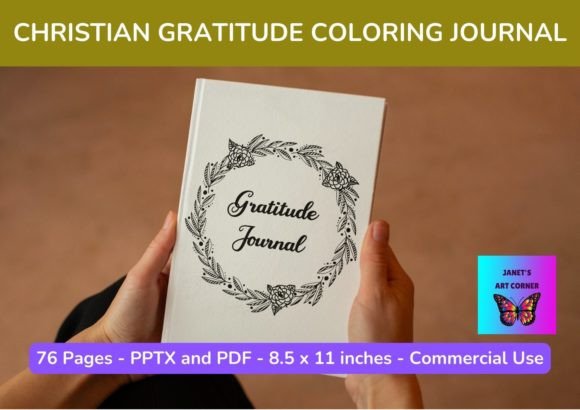
There is something quietly powerful about a page that invites both reflection and creativity—a space where structure meets expression. The Christian Gratitude Coloring Journal is emerging as a meaningful format in modern visual design, blending intentional composition with the emotional resonance of faith-based themes. For designers and creative professionals, this presents a unique opportunity to explore how thoughtful layout, typography, and color choices can elevate a product from a simple devotional tool into a cohesive visual experience.
From the perspective of graphic design, the Christian Gratitude Coloring Journal sits at the intersection of editorial layout, print production, and emotional branding. It is not just a coloring book or a diary; it is a crafted object that must balance readability, visual hierarchy, and aesthetic appeal while supporting a reflective practice. The challenge is to create a design that feels both sacred and approachable—a goal that relies heavily on understanding typography, color psychology, and composition.
Why This Format Matters in Visual Communication
Designing for a Christian Gratitude Coloring Journal requires a nuanced approach to visual identity. The audience is seeking calm, structure, and inspiration. Every element—from the cover design to the spacing between prompts—contributes to the overall user experience. In a crowded market of creative assets, the journals that succeed are those that demonstrate a clear understanding of modern aesthetics without sacrificing readability or emotional tone.
For branding professionals, this format offers a case study in how to build trust through design. The choice of color palette, for instance, can signal warmth, serenity, or reverence. Soft earth tones, muted golds, and gentle blues often appear in these products, reinforcing themes of thankfulness and spiritual reflection. Similarly, typography must be carefully selected to support both guided journaling and freeform coloring—two activities with very different visual needs.
Key Design Considerations for a Gratitude Journal
- Typography pairing: A clean sans-serif for prompts paired with a script or serif for headings creates clear visual hierarchy while maintaining warmth.
- Color accessibility: Ensure that text remains legible against colored backgrounds, especially for users who may interact with the journal in low light.
- Margin and spacing: Generous white space supports both written entries and coloring, preventing the page from feeling cramped or overwhelming.
- Paper and print quality: Thicker stock reduces bleed-through from markers or pens, directly impacting user satisfaction.
Practical Applications Across Design Disciplines
The design principles behind a Christian Gratitude Coloring Journal extend far beyond the page. They can inform projects in web design, UI/UX, packaging, and brand identity work. For example, the same balance of calm and clarity that makes a journal inviting can improve a meditation app’s interface or a wellness brand’s packaging line. The focus on emotional resonance and visual simplicity translates directly into stronger user engagement across digital and physical products.
Branding and Logo Design
When developing a brand identity for a faith-based or wellness product, the visual language should mirror the values of gratitude and reflection. Logos that use clean lines, organic shapes, and restrained color palettes align naturally with the journal aesthetic. Designers can draw inspiration from the modern aesthetics seen in current publication design—minimal but not cold, decorative but not distracting.
Social Media and Digital Marketing
The same visual system used in a printed journal can be extended to social media graphics, email templates, and digital marketing assets. A consistent brand identity across platforms builds recognition and trust. For instance, sharing a daily gratitude prompt on Instagram using the journal’s color palette and typography reinforces the product’s purpose and invites audience participation.
Editorial and Print Design
For those working in editorial design, the journal format offers lessons in pacing and flow. The sequence of pages should feel like a journey—alternating between guided prompts, blank spaces for free writing, and intricate coloring elements. Visual hierarchy ensures that the user never feels lost. Headers, subheaders, and decorative motifs must guide the eye naturally without competing for attention.
Web and UI Design
In web design, the same principles apply. A gratitude-focused website or app benefits from a restrained color palette, generous padding, and typography that feels both human and legible. The goal is to create a digital environment that mirrors the calm of a physical journal. UX design decisions—such as button placement, scroll behavior, and load animations—should prioritize ease and emotional comfort over flashy effects.
Selecting Design Elements That Resonate
When building creative assets for a Christian Gratitude Coloring Journal—or any project inspired by its approach—consistency is key. Every visual choice should reinforce the core message of thankfulness and reflection. Ask whether each element adds to the sense of peace or detracts from it. A overly complex border might feel busy, while a simple hand-drawn flower can enhance the organic tone.
Scalability also matters. A design that works beautifully on a journal cover must translate to a thumbnail on Amazon or a post on Pinterest. Testing your assets at different sizes ensures that the visual identity remains intact across all touchpoints. Similarly, readability should never be sacrificed for aesthetics. If a user cannot easily read a prompt or instruction, the design has failed its primary function.
Working Within a Brand System
Whether you are designing for a client or creating your own product, compatibility with existing brand guidelines is essential. The Christian Gratitude Coloring Journal should feel like a natural extension of a larger visual language—not a standalone experiment. This means aligning with established brand identity elements such as logo placement, accent colors, and tone of voice while still allowing the journal its own personality.
For designers building a brand from scratch, this format can serve as a starting point for defining a visual hierarchy and color palette that will carry across packaging design, advertising campaigns, and presentations. The constraints of the journal—limited space, need for clarity, emotional tone—force disciplined decision-making that ultimately strengthens the entire brand system.
Bringing It All Together
At its best, the Christian Gratitude Coloring Journal is more than a product—it is a demonstration of how thoughtful design can create space for meaningful human experience. For graphic designers, marketers, and creative professionals, the lessons embedded in its layout, typography, and imagery are directly applicable to a wide range of projects. Whether you are working on logo design, social media graphics, web design, or digital products, the principles of clarity, emotional resonance, and visual consistency remain the same. Choosing creative assets with care—and designing with intention—elevates not only the final product but also the trust and connection it builds with its audience.