Be Still and Know: Finding Clarity in a Chaotic World
In a culture that prizes speed, productivity, and constant connectivity, the ancient invitation to stillness can feel almost radical. Yet for many adults navigating demanding careers, creative projects, business responsibilities, and personal commitments, the idea of slowing down often gets pushed to the margins. Be Still and Know, rooted in the Christian contemplative tradition, offers a different pathway—one that does not ask you to do more, but to pause, breathe, and remember who holds your life together.
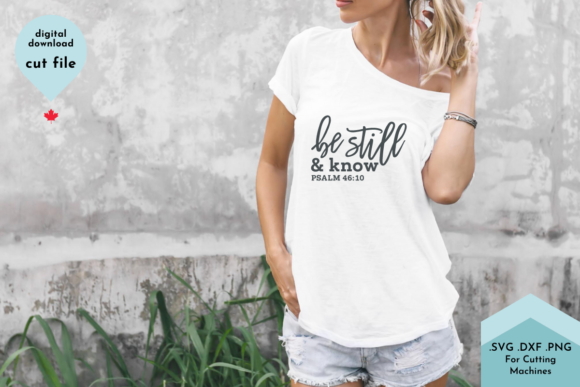
This practice, drawn from Psalm 46:10, is far more than passive waiting. It is an intentional posture of trust, reflection, and surrender. For professionals, entrepreneurs, creators, and anyone carrying the weight of daily decisions, integrating this kind of stillness can reshape how you work, relate, and lead. The benefits are not only spiritual but deeply practical.
Why Stillness Matters for the Overloaded Mind
The modern brain is rarely at rest. Between email notifications, project deadlines, social media scrolling, and endless to-do lists, mental fatigue has become a baseline state for many. Be Still and Know is not about adding another task—it is about creating space where your mind can settle. When you intentionally pause, you give your cognitive processes a chance to reset. This is not a vague spiritual ideal; it is a proven way to improve focus, reduce anxiety, and make better decisions.
For a freelance designer juggling multiple clients or a small business owner managing operations alone, the pressure to remain in a constant state of activity can lead to burnout. A dedicated stillness practice—even ten minutes a day—allows you to step back from the noise. In that quiet, you gain perspective. Problems that seemed overwhelming often appear more manageable. Ideas that were buried under stress begin to surface. The clarity you find in stillness directly supports your ability to create, communicate, and execute with excellence.
Grounding Your Creativity and Work in Purpose
Creativity does not thrive in constant motion. Writers, artists, marketers, and content creators know this intuitively, yet the pressure to produce can override that wisdom. Be Still and Know invites you to reconnect with the source of your creativity. For Christians, that source is God. When you pause to acknowledge that you are not the ultimate provider of every solution, you free yourself from the burden of having to invent everything from scratch.
Consider a blogger who drafts weekly posts. Without moments of stillness, the writing can feel mechanical, driven by metrics rather than meaning. By beginning with a few minutes of quiet reflection—perhaps reading a short passage of Scripture or simply sitting in silence—the blogger shifts from performance to purpose. The words that follow tend to carry more depth and authenticity. Readers sense that difference. In a crowded digital landscape, content born from stillness stands apart.
Similarly, an entrepreneur making strategic decisions about product launches or team growth benefits from a grounded perspective. The stillness practice does not provide a magic formula, but it clears the mental clutter so you can discern what truly matters. You begin to ask better questions: Does this align with my values? Am I building something sustainable or just reacting to pressure? These questions, asked in stillness, lead to wiser outcomes.
Improving Communication and Relationships
Communication breakdowns are among the most common frustrations in professional and personal life. When you are rushed or anxious, your words can come across as sharp, defensive, or unclear. Be Still and Know cultivates an inner calm that directly improves how you interact with others. Before a difficult conversation, a team meeting, or a negotiation, a moment of stillness can shift your posture from reaction to response.
For a manager leading a remote team, the temptation is to multitask during calls, skimming emails while half-listening. The discipline of stillness trains you to be fully present. You notice not only words but tone and body language. You ask better follow-up questions. Your team feels heard. That trust, built through presence, strengthens collaboration and reduces misunderstandings. Over time, your communication becomes more efficient not because you speak faster, but because you listen more carefully.
In personal relationships, the same principle applies. A spouse, friend, or child does not need you to solve every problem instantly. They often need your focused attention. The practice of being still before God teaches you to be still before others—to sit with their pain, celebrate their joy, and resist the urge to fix everything. This relational depth is rare and deeply valued.
Simplifying Decisions and Reducing Decision Fatigue
Decision fatigue is a well-documented phenomenon. The more choices you make in a day, the lower the quality of your later decisions. Entrepreneurs, marketers, and creators face an endless stream of micro-decisions: which email to answer first, which platform to post on, which tool to try, which client to prioritize. Be Still and Know offers a counterintuitive solution: do nothing for a few minutes. In that doing nothing, you reconnect with your core priorities.
When you regularly step into stillness, you develop a clearer sense of what is essential. The noise of competing options fades. You begin to recognize which decisions actually matter and which are distractions. A content strategist, for example, might spend hours debating the perfect headline. After stillness, the right words often come more naturally. The decision process becomes less about analysis paralysis and more about alignment with your deeper purpose.
This is not about avoiding careful planning. It is about creating the inner conditions where good decisions emerge without exhausting you. Over time, you develop a kind of intuitive wisdom—a sense of peace about certain choices and unease about others. That internal compass, honed in stillness, saves time and mental energy.
Who Benefits Most from This Practice
While Be Still and Know is available to anyone, certain groups may find it especially transformative. Professionals in high-pressure roles—executives, lawyers, doctors, and educators—often carry the weight of others' expectations. For them, stillness is not an escape from responsibility but a way to carry it with greater steadiness. Creators and artists, who rely on inspiration and emotional depth, can use stillness as a wellspring of fresh ideas. Entrepreneurs and small business owners, who bear the weight of every decision, find perspective and resilience through regular reflection.
Marketers and content creators, constantly chasing engagement metrics, can use stillness to step back from the algorithm and ask whether their work is truly serving their audience. Freelancers and hobbyists, who often struggle with isolation, discover in stillness a connection to something larger than their immediate projects. Educators and publishers, shaping minds and narratives, benefit from the grounding that stillness provides, ensuring their work flows from wisdom rather than reaction.
That said, this practice is not a one-size-fits-all solution. Some people naturally struggle with silence—especially those who have used busyness as a coping mechanism. For them, stillness may initially feel uncomfortable or even unproductive. It is important to approach it gently, starting with just a few minutes and gradually building the habit. Comparing different approaches to Christian meditation or silent prayer can help you find a style that fits your temperament. Some prefer guided reflections; others thrive in unstructured silence. The key is consistency, not perfection.
Practical Ways to Integrate Stillness into Your Day
You do not need to retreat to a monastery to practice Be Still and Know. The beauty of this discipline is that it can be woven into ordinary life. Begin your morning by sitting quietly for five minutes before checking your phone. Use a simple breath prayer—inhale, exhale, and silently repeat a short phrase like "Be still" on the inhale and "and know" on the exhale. This anchors your mind and body in the present moment.
Another approach is to pause before transitions. Before a meeting, before writing, before a difficult conversation, take a single minute to close your eyes and breathe. That brief space can change the entire tone of what follows. For those who struggle to quiet a racing mind, consider journaling a few sentences about what you are grateful for or what you are bringing to God in prayer. Writing focuses the thoughts and prepares the heart for stillness.
Outdoor walks without headphones also serve as a form of stillness. The rhythm of walking, combined with attention to nature, can quiet the mind and open the spirit. The goal is not to achieve a perfectly empty mind. It is to shift from reactive busyness to intentional presence. Over weeks and months, this practice builds a reservoir of calm that sustains you through pressure.
Thoughtful Considerations Before Starting
It is worth noting that stillness is a discipline, not a quick fix. You may not feel immediate benefits. Some days your mind will wander, and you will feel more distracted than at peace. That is normal. The value accumulates over time, often in ways you cannot measure. There is also a misconception that stillness requires long blocks of time. In reality, short, consistent periods are more effective than occasional long sessions. Five minutes daily is far better than an hour once a month.
If you are new to contemplative Christian practices, you may want to explore resources like devotional guides, apps designed for Christian meditation, or books by authors who write about stillness and prayer. Comparing different approaches helps you find what resonates. Some traditions emphasize silence; others incorporate Scripture reading or breath prayers. The important thing is that the practice points you toward God, not merely toward relaxation for its own sake. The phrase Be Still and Know is incomplete without the object of that knowing—God. That theological anchor gives the practice its depth and staying power.
In a world that constantly demands your attention, choosing stillness is an act of faith. It is a statement that you are more than your productivity, your output, or your to-do list. It is an acknowledgment that you need wisdom beyond your own. For the professional, the creator, the entrepreneur, and everyone in between, that acknowledgment is not weakness. It is the foundation of sustainable, meaningful work and life.